
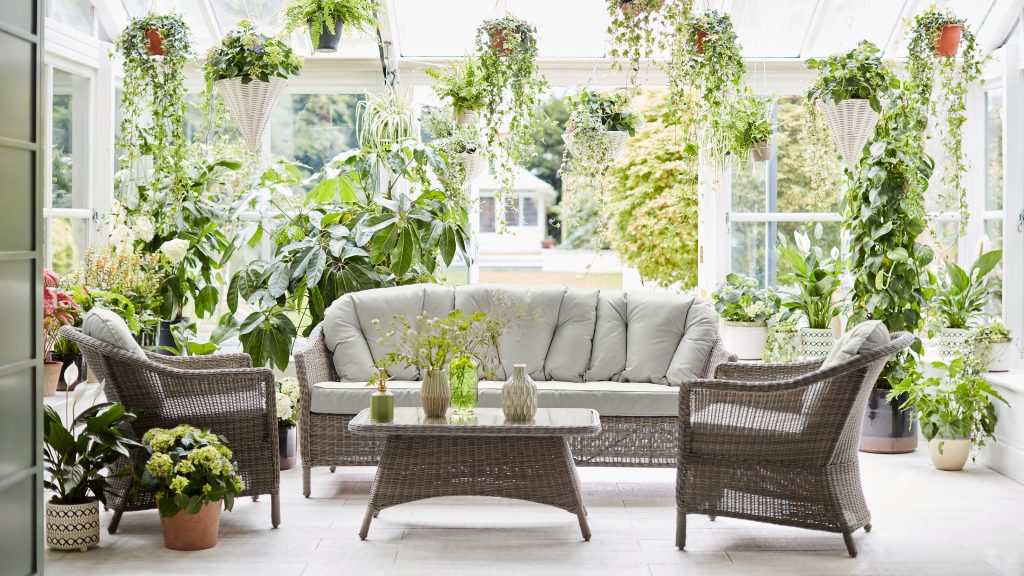
A conservatory room offers one of the most unique opportunities in home design. With its large windows and natural light, it serves as a bridge between indoor comfort and outdoor beauty. However, without thoughtful planning, a conservatory can easily become underused or feel too hot, cluttered, or disconnected from the rest of the home. The key to making the most of this space is turning it into a well-designed garden retreat that feels relaxing, stylish, and functional.
Conservatories are perfect for growing plants, creating cozy seating areas, and designing a bright space for reading, entertaining, or simply unwinding. The combination of sunlight and shelter makes it ideal for a variety of greenery, from tropical plants to flowering arrangements.
With the right layout, plant choices, and décor elements, a conservatory can become a personal oasis that feels fresh year-round. Whether someone prefers a modern look or a lush botanical vibe, thoughtful design can transform any conservatory into a beautiful garden-inspired space.
Create a Lush Indoor Garden with Layered Plants
One of the most popular ways to design a conservatory is by turning it into a mini indoor garden. Because conservatories receive plenty of sunlight, they can support a wide variety of plants, including ferns, palms, orchids, succulents, and even small citrus trees.
Layering plants at different heights creates visual interest. Tall floor plants can fill empty corners, while medium-sized pots can sit near seating areas. Hanging planters and wall-mounted plant shelves add dimension without taking up floor space. Mixing leafy green plants with flowering varieties brings color and texture into the room.
This approach is often featured in conservatory garden design inspiration because it embraces the room’s natural strengths—light and openness. When arranged thoughtfully, plants make the conservatory feel like a seamless extension of the outdoors.
However, it is important to consider temperature and airflow. Conservatories can become warm in summer, so choosing heat-tolerant plants and ensuring proper ventilation helps maintain healthy growth. With careful selection, the room becomes a vibrant indoor sanctuary.
Design a Cozy Seating Area Surrounded by Greenery
A conservatory should not only look beautiful—it should also feel inviting. Adding comfortable seating turns the space into a relaxing retreat. Rattan chairs, cushioned benches, or a small sofa work well in light-filled areas. Natural materials such as wicker, wood, and linen complement the garden atmosphere.
Positioning seating near large windows maximizes views and natural light. Throw pillows in earthy tones or botanical patterns add warmth without overwhelming the space. A small coffee table or side table creates functionality for drinks, books, or decorative pieces.
This layout aligns perfectly with modern home and garden living ideas, which emphasize blending comfort with nature. A conservatory becomes more than a plant room—it becomes a place to read, socialize, or enjoy morning coffee.
Lighting also matters. While the room benefits from daylight, soft evening lighting such as floor lamps or warm fairy lights creates a cozy ambiance after sunset. The combination of greenery and comfortable seating transforms the conservatory into a year-round relaxation zone.
Incorporate Vertical Gardens and Space-Saving Solutions
For smaller conservatories, maximizing space is essential. Vertical gardens are a creative way to add greenery without crowding the floor. Wall-mounted planters, ladder-style shelves, and hanging baskets allow homeowners to grow plants upward rather than outward.
Using narrow shelving units against walls keeps the area organized and visually balanced. Compact furniture pieces with built-in storage can also reduce clutter. Folding tables or stackable chairs are useful for flexible layouts, especially in conservatories used for entertaining.
This strategy is frequently recommended in conservatory garden design inspiration guides because it maintains an open, airy feeling. A cluttered conservatory can quickly lose its charm, but smart storage solutions keep the room functional and attractive.
Choosing plants suited for vertical displays—such as trailing ivy, pothos, or climbing vines—adds movement and softness. These elements enhance the garden atmosphere without overwhelming the limited space.
Add Seasonal Plants and Decorative Accents
One of the benefits of a conservatory is the ability to refresh its look seasonally. In spring and summer, bright flowers and tropical plants create a lively environment. During autumn, adding warm-toned décor, textured throws, and seasonal plants like chrysanthemums adds depth. In winter, evergreens and subtle lighting keep the space feeling fresh and cozy.
Decorative accents such as ceramic pots, woven baskets, and natural wood elements enhance the garden theme. Rugs in neutral or botanical patterns help anchor the seating area while adding comfort.
Incorporating seasonal updates reflects modern home and garden living ideas, which focus on adaptability and personal style. Rather than leaving the conservatory unchanged year-round, small seasonal adjustments keep it feeling dynamic and inviting.
This approach also allows homeowners to experiment with different design elements without committing to permanent changes. Seasonal décor keeps the conservatory exciting and aligned with the mood of each time of year.
Blend Indoor and Outdoor Elements for a Seamless Look
A successful conservatory design often blurs the line between inside and outside. Using natural materials like wood, stone, bamboo, and rattan helps create continuity with the garden beyond the windows. Large glass doors or open panels enhance this connection during warmer months.
Outdoor-style furniture that can handle sunlight and temperature changes works well in conservatories. Light, neutral color palettes keep the space bright and airy. Adding outdoor-inspired décor such as lanterns, potted trees, and garden sculptures strengthens the theme.
This concept is central to conservatory garden design inspiration because it highlights the purpose of the room—to serve as a bridge between home and garden. When designed thoughtfully, the conservatory becomes a calming retreat that feels connected to nature.
Maintaining airflow and using blinds or shades for temperature control ensures comfort throughout the year. A balanced design makes the conservatory enjoyable regardless of season.
Conclusion
A conservatory offers endless potential to create a beautiful indoor garden retreat that blends comfort with natural light. By layering plants, designing cozy seating areas, using vertical storage solutions, incorporating seasonal décor, and blending indoor and outdoor elements, homeowners can transform their conservatory into a relaxing oasis. Drawing from conservatory garden design inspiration allows the space to highlight its greatest strength—sunlight and openness. At the same time, embracing modern home and garden living ideas ensures that the room remains functional, stylish, and adaptable throughout the year. Whether designed as a lush botanical haven, a peaceful reading nook, or a stylish entertaining area, a well-planned conservatory adds both beauty and value to a home. With thoughtful choices and balanced design, any conservatory can become a bright sanctuary that feels welcoming, fresh, and connected to nature every season of the year.