
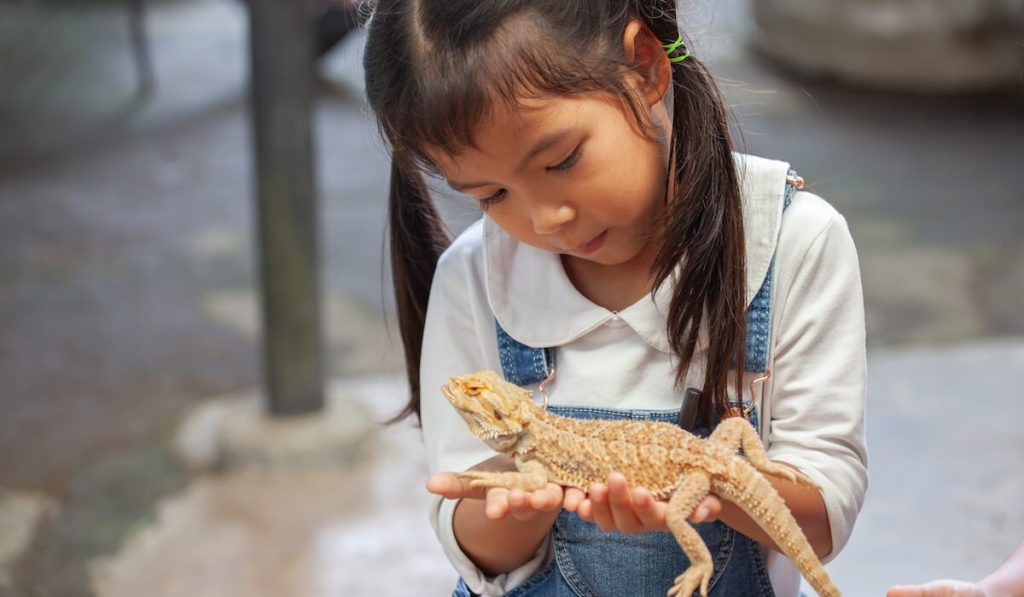
Small pets can be a wonderful way to introduce young children to responsibility, kindness, and basic animal care. Many families choose small pets because they require less space than cats or dogs and can fit comfortably into apartment living or smaller homes. They also offer children the chance to build confidence through gentle interaction and daily routines, such as feeding, cleaning, and observing behavior.
However, not every small pet is ideal for young children. Some animals are delicate and easily stressed, while others may bite if handled incorrectly. The best pets for kids are usually those that are gentle, hardy, and easy to care for with adult supervision. It is also important to remember that small pets are not “starter toys.” They are living creatures with real needs, emotions, and stress levels.
Choosing the right pet depends on the child’s age, temperament, and the family’s ability to provide proper care. This guide explores ideal small pets for young children and explains what makes each one suitable, along with the key responsibilities families should consider before bringing a pet home.
Guinea Pigs: Gentle, Social, and Great for Families
Guinea pigs are often considered one of the best small pets for young children. They are generally gentle, friendly, and less likely to bite compared to smaller animals like hamsters. Guinea pigs also tend to enjoy social interaction, making them a great match for families who want a pet that can be observed and handled safely with supervision.
They are also hardy animals, meaning they are not as fragile as some other small pets. Many guinea pigs enjoy being held when they are introduced properly and handled gently. They also make cute sounds, which children often find entertaining and comforting.
In many best small pets for kids and beginners lists, guinea pigs are recommended because they are predictable and social. However, they require more space than people expect. Guinea pigs need a large cage, daily fresh vegetables, clean bedding, and regular cage cleaning.
This is where family pet care and responsible ownership becomes important. Parents must understand that guinea pigs are not low-maintenance. They need attention, proper diet, and gentle handling. When families are prepared, guinea pigs become affectionate and rewarding companions for children.
Fish: A Calm and Low-Handling Pet for Younger Kids
Fish can be an excellent choice for families with very young children. Unlike furry pets, fish do not require handling, which reduces the risk of bites or accidental harm. They are also soothing to watch, and aquariums can create a calm environment in a home.
Betta fish, goldfish (with proper tank size), and small community fish are common options. However, it is important to understand that fish are not always “easy pets.” Proper aquarium care includes tank cycling, water filtration, temperature control, and regular cleaning.
Fish are often included in best small pets for kids and beginners because they teach children observation, patience, and responsibility. Feeding fish daily and watching their behavior can help children develop a sense of routine.
From a family pet care and responsible ownership perspective, adults must manage the technical side of aquarium maintenance. Children can help with feeding and simple tasks, but parents should handle water testing and cleaning. For families willing to maintain a tank properly, fish can be a peaceful and educational first pet.
Rabbits: Sweet and Loving, But Not Always Beginner-Friendly
Rabbits are adorable and can be very affectionate, but they are not always the best option for very young children. Many people assume rabbits are easy pets, but they require significant care, space, and gentle handling.
Rabbits are prey animals, which means they can become stressed easily. They may not enjoy being picked up frequently, especially by small children who may not understand how to handle them safely. Rabbits can also scratch or kick if frightened.
However, for families with older children and strong adult supervision, rabbits can be wonderful companions. They are intelligent, social, and capable of forming strong bonds with their owners. They can also be litter-trained, which makes them easier to manage in a home environment.
Rabbits appear in some best small pets for kids and beginners discussions, but they are best suited for families willing to learn proper rabbit care. This is where family pet care and responsible ownership matters most. Rabbits need safe enclosures, high-quality hay, fresh greens, and regular veterinary care.
Hamsters: Small and Fun, But Better for Older Kids
Hamsters are popular small pets, but they may not be ideal for very young children. While hamsters are cute and entertaining, they are small, fast, and often nocturnal. This means they may be asleep during the day when children want to play.
Hamsters can also bite if startled, especially if woken suddenly. For young children, this can be upsetting. However, hamsters can still be great pets for older children who understand gentle handling and patience.
In best small pets for kids and beginners recommendations, hamsters are often described as “good pets with the right expectations.” They are better for children who enjoy watching rather than constant handling. A hamster’s cage can also be a fun learning tool, as children can observe burrowing, climbing, and nesting behavior.
From a family pet care and responsible ownership perspective, parents must still ensure proper cage size, clean bedding, enrichment toys, and a balanced diet. Hamsters may be small, but they still require thoughtful care and consistent routines.
Leopard Geckos: A Unique Pet That Can Be Great for Kids
For families interested in reptiles, leopard geckos can be an excellent choice. They are calm, relatively easy to care for, and often tolerate gentle handling better than many other reptiles. Leopard geckos also do not require large enclosures, making them suitable for smaller homes.
They are fascinating pets for children who enjoy learning about animals. Watching a leopard gecko hunt insects, explore its habitat, and shed its skin can be educational and exciting. They also tend to have gentle temperaments when handled correctly.
Leopard geckos are often included in best small pets for kids and beginners lists because they require less daily interaction compared to mammals. However, they still require proper heating, lighting, and diet. Live insects are usually part of their feeding routine, which some families may not enjoy.
This is where family pet care and responsible ownership becomes essential. Reptiles require specific habitat conditions, and adults should help manage setup and maintenance. With proper care, leopard geckos can be safe, unique, and rewarding pets for children.
Conclusion
Choosing the ideal small pet for young children depends on safety, temperament, and the family’s ability to provide consistent care. Guinea pigs often make the best choice due to their gentle nature, while fish offer a calm and low-handling option for very young kids. Rabbits can be affectionate but require careful supervision, hamsters are better suited for older children, and leopard geckos provide a unique alternative for families interested in reptiles. By following best small pets for kids and beginners guidance, parents can make more informed choices that match their child’s age and personality. At the same time, practicing family pet care and responsible ownership ensures that small pets are treated with kindness, proper housing, and long-term commitment. The best family pet is not simply the cutest option—it is the one that fits the household realistically and allows both children and animals to feel safe and happy. With thoughtful planning, small pets can bring joy, education, and lasting family memories.