
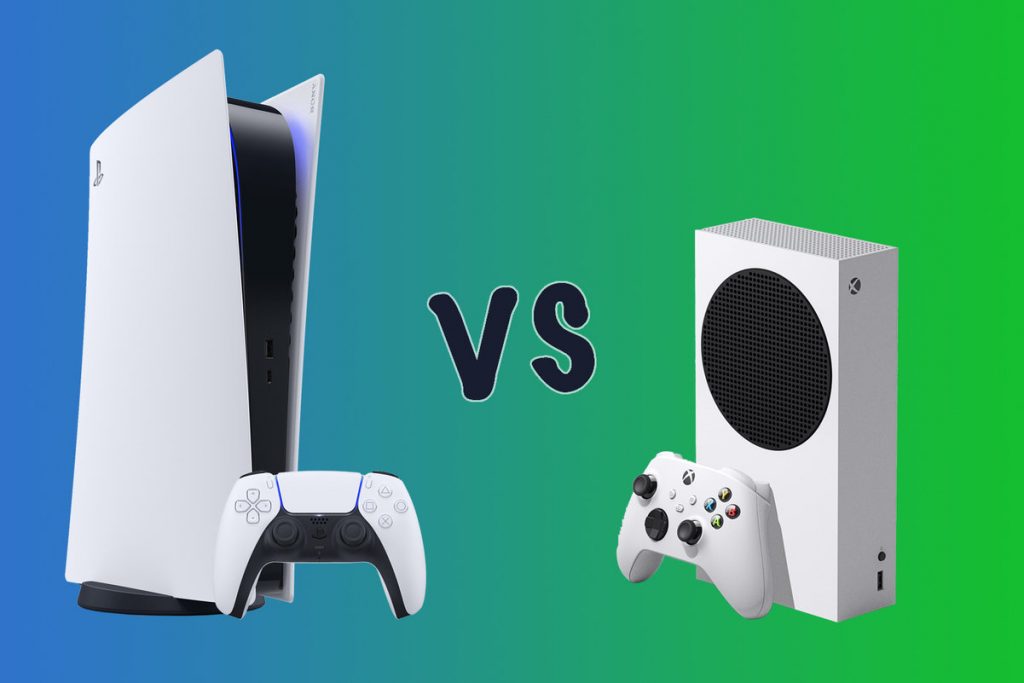
Choosing between Xbox and PlayStation 5 is one of the biggest decisions modern gamers face. Both consoles offer powerful hardware, impressive graphics, fast loading times, and access to huge game libraries. However, despite their similarities, each platform delivers a slightly different gaming experience. The right choice often depends on what type of gamer someone is and what features matter most to them.
Some players prioritize exclusive titles and cinematic single-player experiences. Others care more about subscription value, multiplayer communities, or long-term service benefits. Hardware performance, controller design, storage options, and backward compatibility also play important roles in the decision.
The competition between Xbox and PS5 has pushed both companies to innovate aggressively. As a result, gamers benefit from better performance, stronger services, and more game variety than ever before. This review breaks down the key differences between Xbox and PS5, helping players understand which console aligns best with their gaming style, budget, and long-term expectations.
Hardware Performance and Technical Power
Both Xbox Series X and PlayStation 5 are built with next-generation hardware designed to deliver fast performance and stunning visuals. The Xbox Series X technically offers slightly stronger raw specifications, including marginally higher GPU power. However, in real-world gaming, performance differences are usually minimal and often difficult to notice.
Both consoles support 4K resolution, high frame rates up to 120Hz, ray tracing, and extremely fast SSD storage for quick load times. Games on both systems look and feel highly polished, especially when optimized for next-gen performance.
In any Xbox vs PS5 console comparison guide, hardware power is often discussed first. While Xbox may hold a small technical advantage on paper, PS5 competes strongly through optimized exclusives and system integration. For most players, performance differences will not determine the overall experience. Both consoles deliver high-quality graphics and smooth gameplay.
Ultimately, hardware alone is rarely the deciding factor. Instead, players should consider what type of games and services they plan to use most frequently.
Exclusive Games and Game Libraries
Exclusive titles are one of the biggest reasons players choose one console over the other. PlayStation is widely known for its strong lineup of story-driven exclusives. Titles like God of War Ragnarök, Spider-Man 2, and The Last of Us are major attractions for players who enjoy cinematic experiences.
Xbox, on the other hand, focuses heavily on expanding its ecosystem through studio acquisitions. Franchises like Halo, Forza, and new Bethesda releases contribute to its growing exclusive catalog. Microsoft’s long-term strategy aims to strengthen its first-party lineup significantly.
This section of an ultimate gaming console buying advice discussion is often the most influential. Gamers who prioritize single-player storytelling often lean toward PS5. Those who value access to a broad, expanding ecosystem may prefer Xbox.
Ultimately, game preference matters more than brand loyalty. If a player is excited about specific exclusives, that alone may determine the better choice.
Subscription Services: Game Pass vs PlayStation Plus
Subscription services have become central to modern gaming. Xbox Game Pass is widely regarded as one of the best values in the industry. It offers access to a large library of games, including first-party titles on release day, for a monthly fee.
PlayStation Plus has also expanded its service tiers, offering access to classic titles and modern games. While PS Plus provides strong value, Game Pass often receives more attention due to its day-one releases and consistent content updates.
In any Xbox vs PS5 console comparison guide, subscription value is a major deciding factor. Players who want access to a large variety of games without buying each individually may find Xbox Game Pass more attractive. On the other hand, PS5 owners who focus primarily on exclusives may not rely as heavily on subscription services.
Budget-conscious gamers often weigh this category carefully. Over time, subscription services can significantly affect overall gaming costs.
Controller Design and User Experience
Controller design can strongly influence player comfort and immersion. The PS5 DualSense controller stands out for its adaptive triggers and advanced haptic feedback. These features add unique sensations to gameplay, such as resistance when pulling a bowstring or subtle vibrations during environmental changes.
Xbox controllers, meanwhile, focus on refinement and ergonomic consistency. Many players appreciate their familiar layout and comfortable grip, especially for long gaming sessions. Xbox also maintains strong compatibility with PC gaming, which appeals to multi-platform players.
An ultimate gaming console buying advice discussion often highlights that controller preference is highly personal. Some gamers love the innovative feel of the DualSense, while others prefer the simplicity and reliability of Xbox’s design.
User interface also plays a role. Both consoles offer smooth navigation and digital storefront integration. However, familiarity with one ecosystem may make switching less appealing for long-term users.
Backward Compatibility and Ecosystem Integration
Backward compatibility is another area where Xbox has historically excelled. Xbox Series X supports a wide range of older Xbox titles, including games from previous generations. This allows players to access older favorites without repurchasing them.
PS5 also supports backward compatibility for most PS4 games, but its support for older generations is more limited compared to Xbox’s broader approach.
In a thorough Xbox vs PS5 console comparison guide, ecosystem flexibility often becomes important for long-term gamers. Players with large existing Xbox libraries may benefit from staying within that ecosystem. Meanwhile, players upgrading from PS4 may find PS5’s compatibility sufficient for their needs.
Cloud gaming integration and cross-platform features are also evolving rapidly. Xbox has invested heavily in cloud services, while PlayStation continues to expand its digital ecosystem.
Conclusion
Choosing between Xbox and PS5 ultimately depends on individual gaming priorities rather than a clear “winner.” Both consoles offer powerful hardware, impressive graphics, and access to high-quality games. Xbox stands out for its strong subscription service and backward compatibility, while PS5 excels with cinematic exclusives and innovative controller features. By using a detailed Xbox vs PS5 console comparison guide, gamers can evaluate performance, game libraries, subscription value, and ecosystem benefits more clearly. At the same time, following ultimate gaming console buying advice helps players focus on long-term satisfaction rather than short-term hype. For players who prioritize storytelling and exclusive experiences, PS5 may feel more appealing. For those seeking subscription value and broader compatibility, Xbox may offer stronger advantages. In the end, both systems represent the peak of modern console gaming, and the best choice is the one that aligns most closely with personal gaming style and goals.